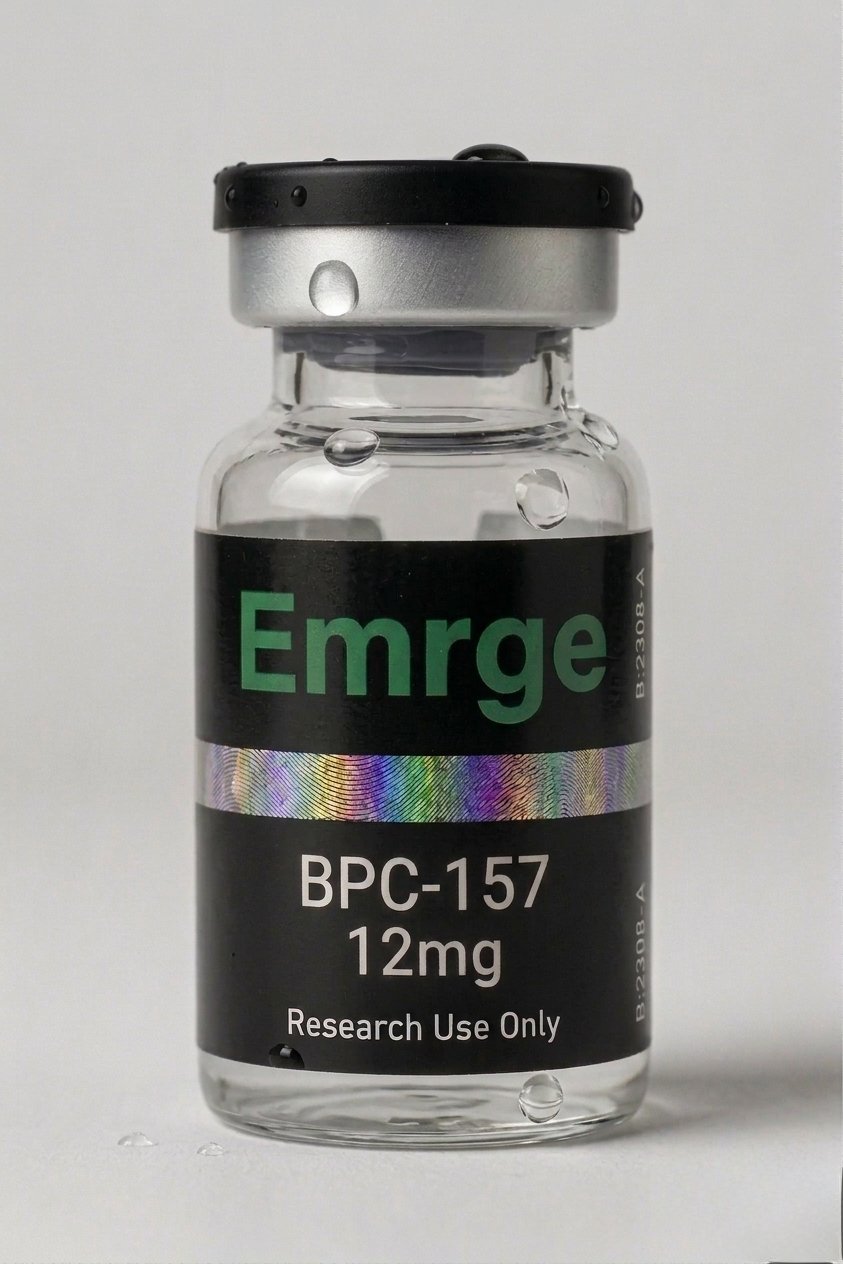
Pentadecapeptide studied for cytoprotective signaling, VEGF/EGF modulation, and extracellular matrix interactions.
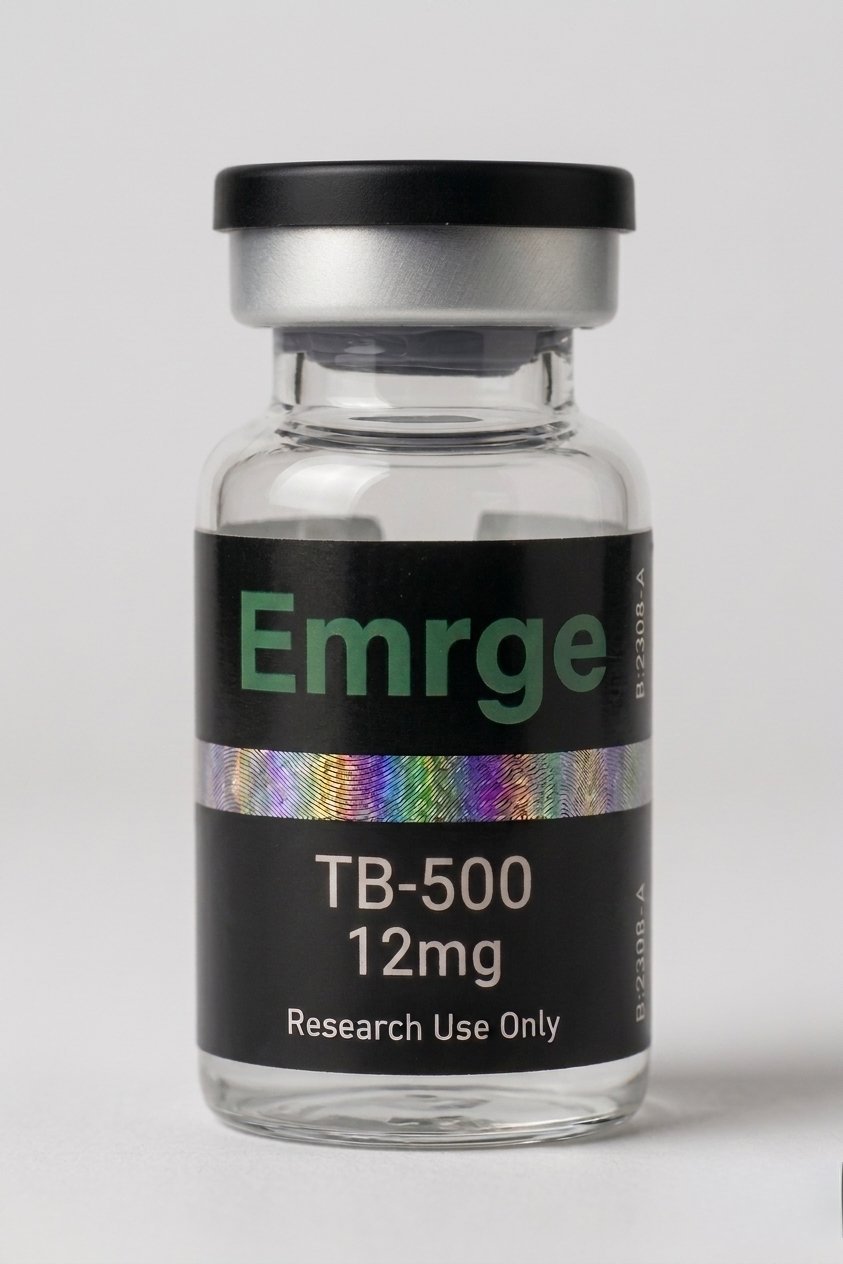
Thymosin β4 C-terminal fragment (Ac-SDKP) for actin-binding dynamics and endothelial cell migration assays.
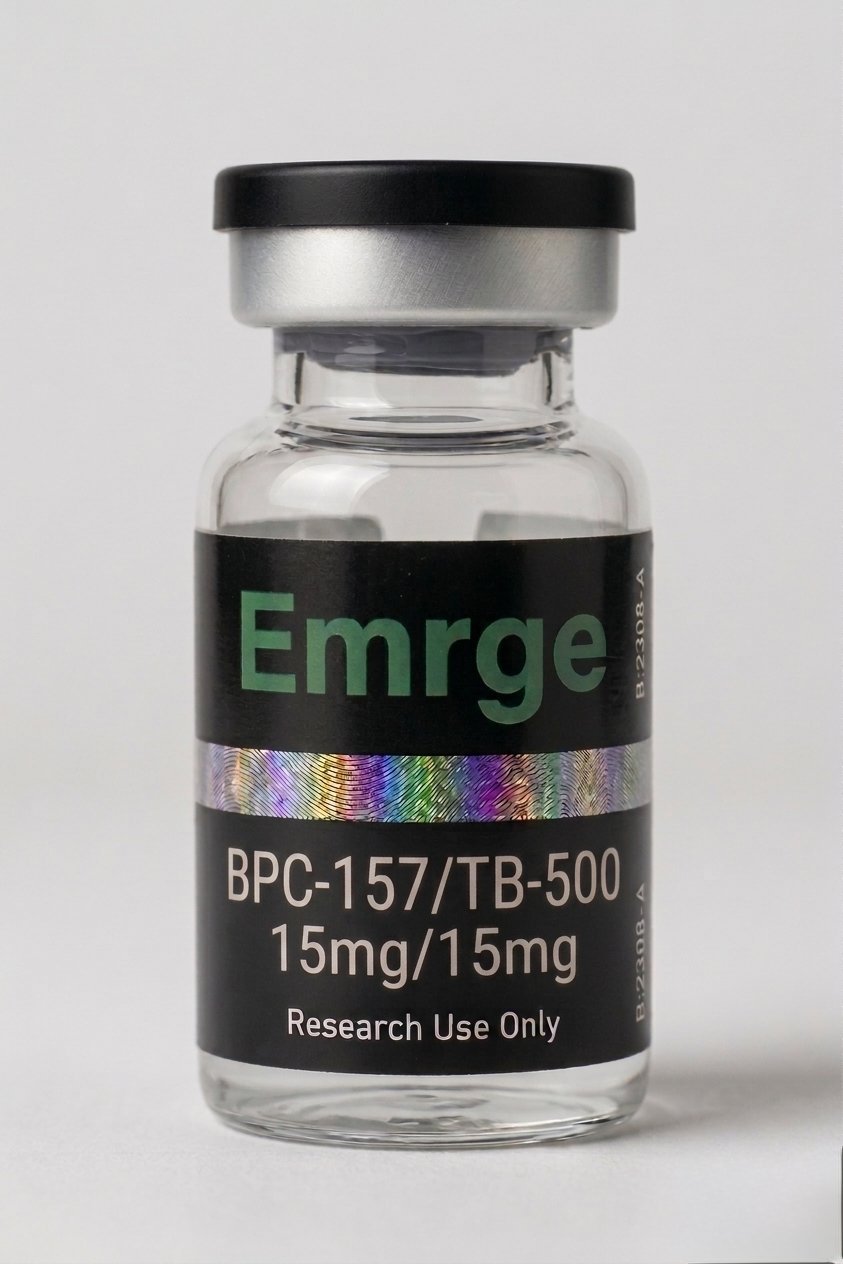
Co-lyophilized BPC-157 (15mg) and TB-500 Fragment (15mg) in a single vial for concurrent pathway research.
BPC-157
Pentadecapeptide studied for cytoprotective signaling, VEGF/EGF modulation, and extracellular matrix interactions.
BPC-157 is a synthetic 15-amino acid peptide derived from a protective protein found in gastric juice. In vitro studies show it modulates VEGF expression and promotes fibroblast and endothelial cell migration via FAK-paxillin pathway activation. It also interacts with the NO-system and growth hormone receptors in cell culture models. Wound healing assays, angiogenesis research, gastrointestinal epithelial cell studies, and tendon/ligament fibroblast migration experiments.
View Certificate of Analysis →For in vitro research use only. Not for human or veterinary use.
TB-500 Fragment
Thymosin β4 C-terminal fragment (Ac-SDKP) for actin-binding dynamics and endothelial cell migration assays.
The Ac-SDKP tetrapeptide is the biologically active C-terminal fragment of Thymosin Beta-4. It binds G-actin and regulates actin polymerization dynamics. In cell culture, it promotes endothelial cell migration and tubulogenesis through α4β1 integrin interactions. Cytoskeletal dynamics studies, endothelial migration assays, cardiac fibrosis research models, and angiogenesis experiments.
View Certificate of Analysis →For in vitro research use only. Not for human or veterinary use.
BPC-157 + TB-500 Mix
Co-lyophilized BPC-157 (15mg) and TB-500 Fragment (15mg) in a single vial for concurrent pathway research.
A single-vial co-lyophilized formulation combining BPC-157 (15mg) and TB-500 Fragment (15mg). Each peptide retains its individual mechanism — BPC-157 acting on VEGF/EGF pathways and TB-500 on actin-binding dynamics — allowing researchers to study both pathways simultaneously from a single reconstitution. Dual-pathway cytoprotective research, combination assay work, and protocols where separate reconstitution of both peptides is impractical.
View Certificate of Analysis →For in vitro research use only. Not for human or veterinary use.
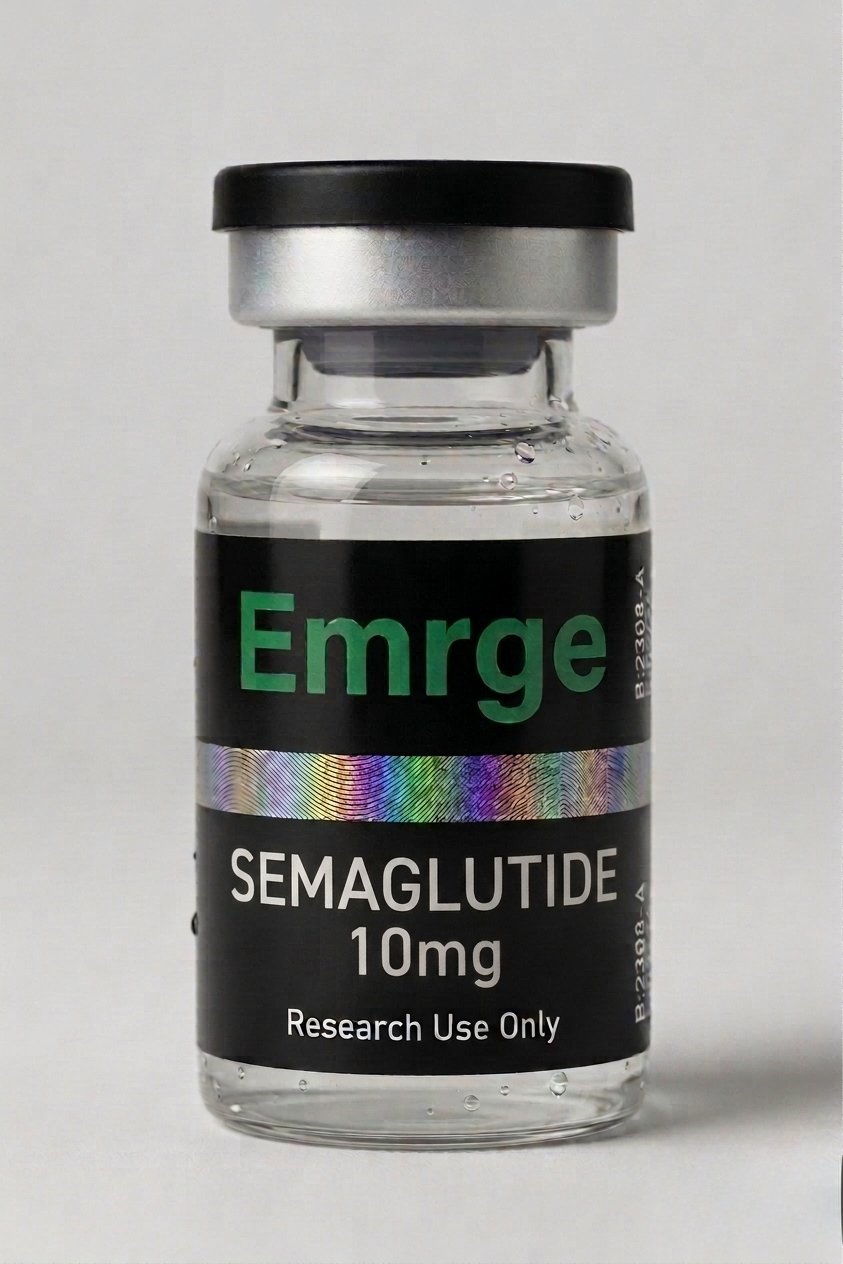
Long-acting GLP-1 receptor agonist analog for pancreatic β-cell signaling and incretin axis research.
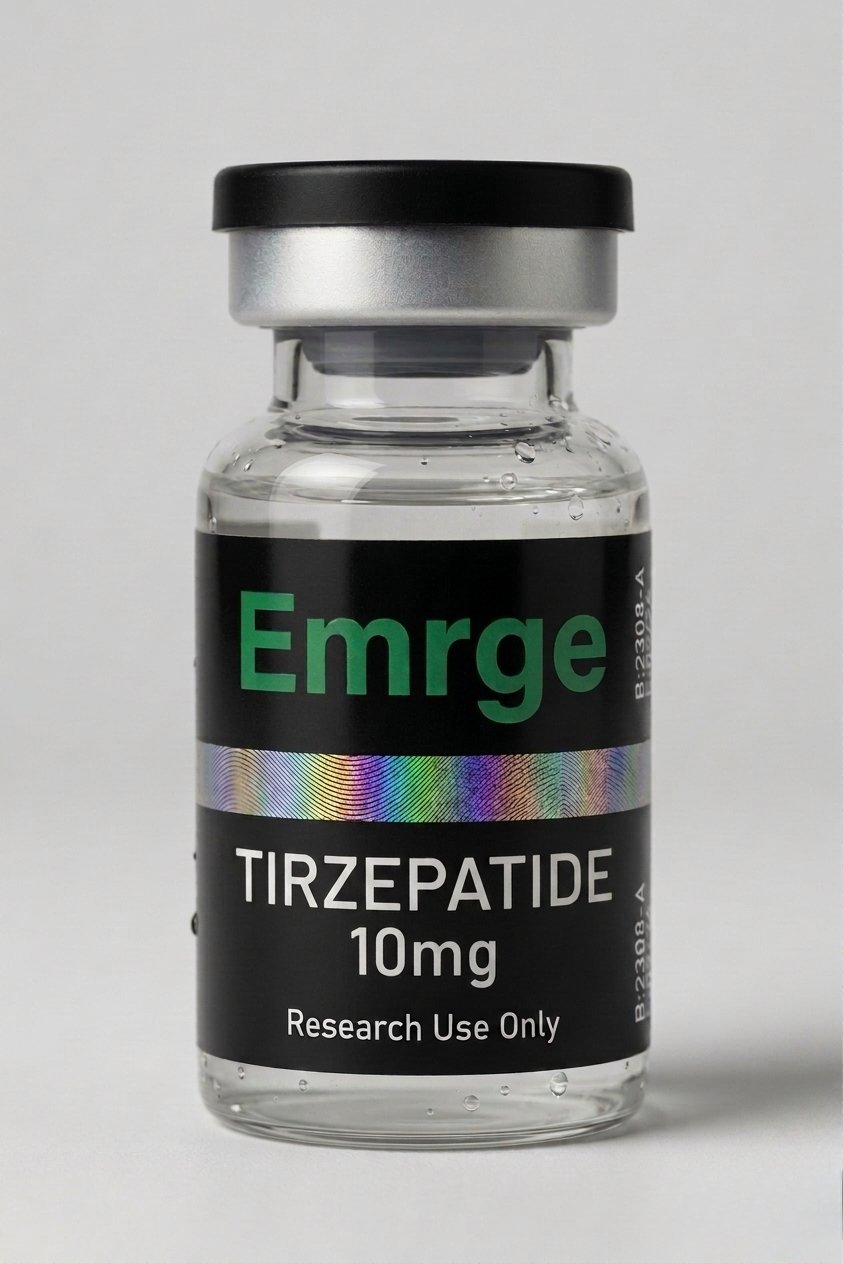
Dual GIP/GLP-1 receptor co-agonist for comparative receptor selectivity and metabolic pathway research.
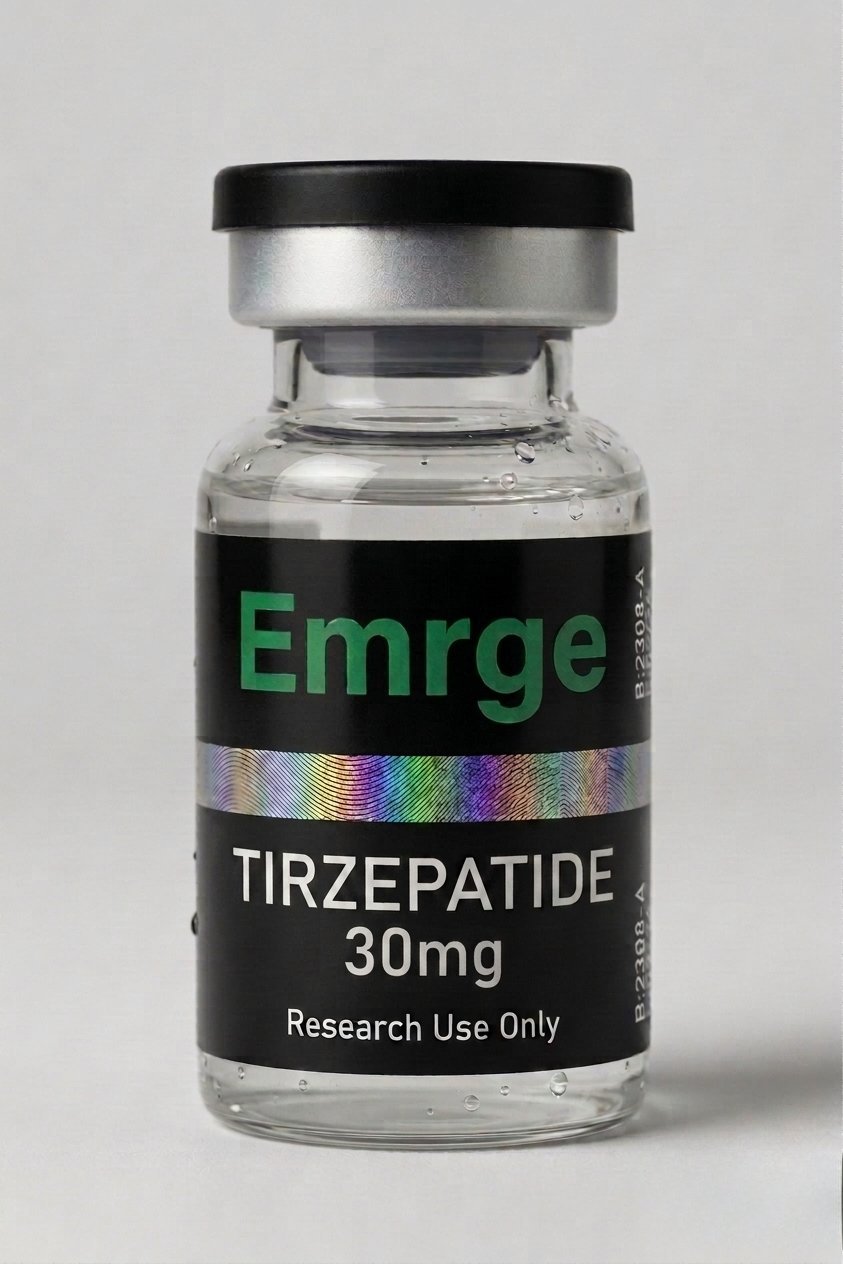
High-concentration format of the dual GIP/GLP-1 co-agonist for extended assay series.
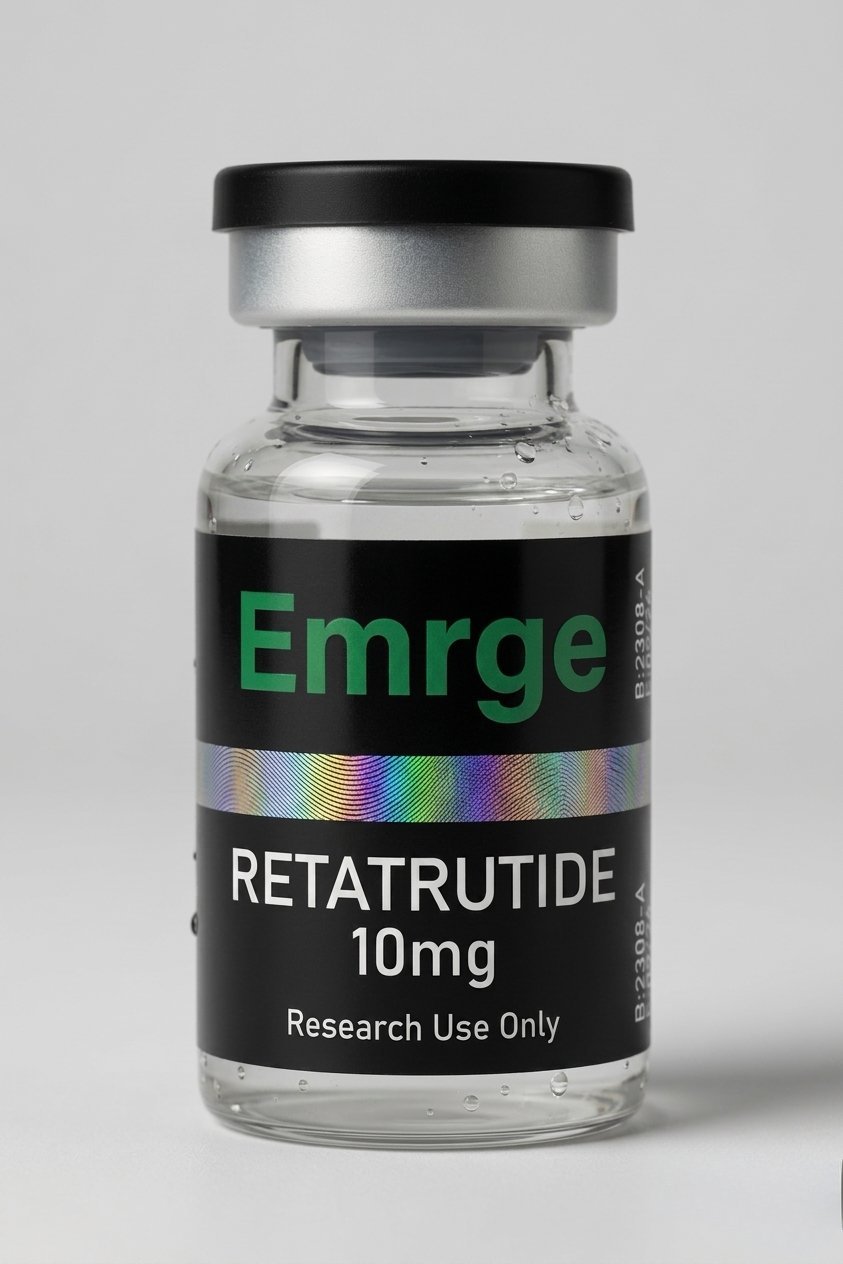
Triple GLP-1/GIP/GCG receptor agonist for incretin crosstalk and glucagon pathway research.
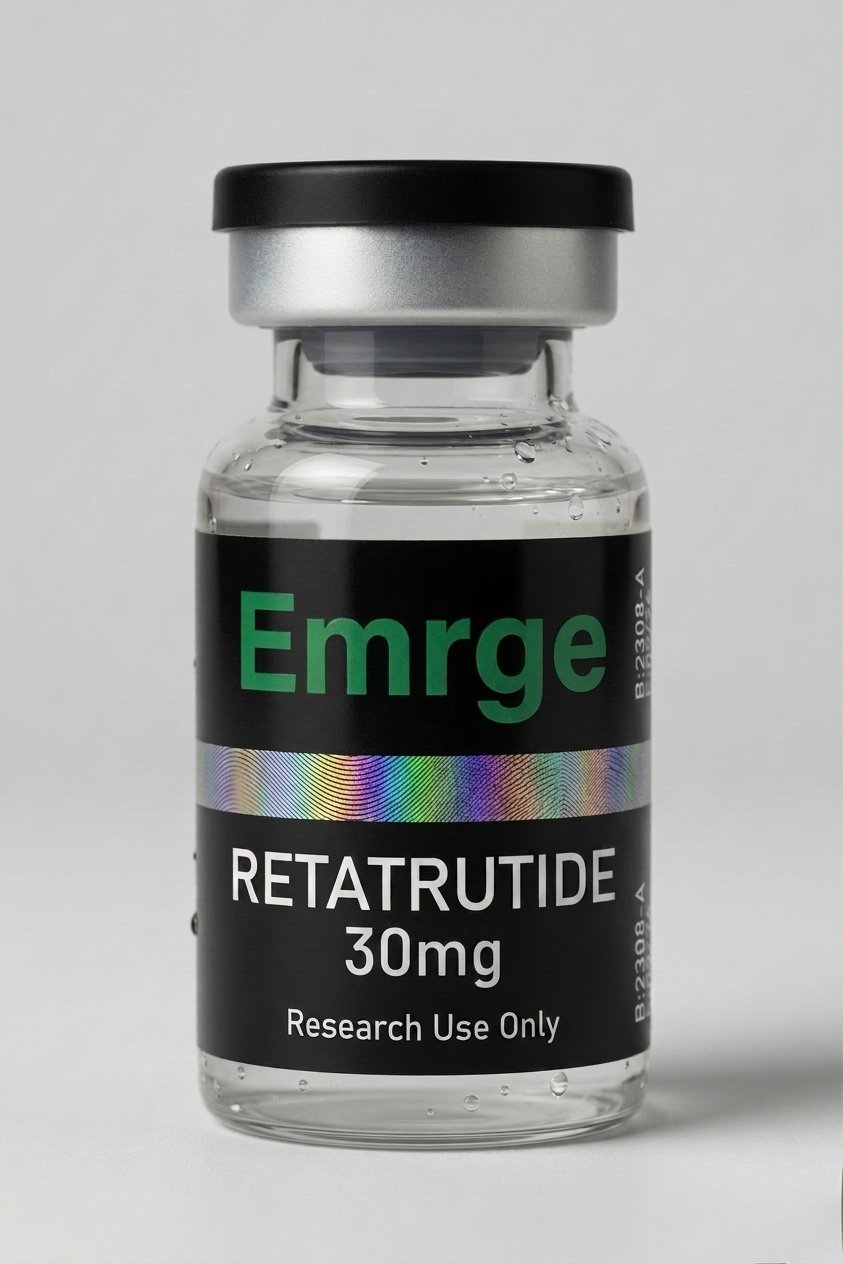
High-concentration triple GLP-1/GIP/GCG agonist for extended research series and multi-dose protocols.
Semaglutide
Long-acting GLP-1 receptor agonist analog for pancreatic β-cell signaling and incretin axis research.
Semaglutide is a 34-amino acid GLP-1 analog with a C-18 fatty diacid side chain enabling reversible albumin binding. It activates GLP-1 receptors on pancreatic β-cells and hypothalamic neurons, triggering cAMP-mediated insulin secretion and appetite regulation pathways in vitro. GLP-1 receptor binding assays, pancreatic β-cell insulin secretion studies, incretin axis pathway mapping, and obesity/metabolic disorder mechanistic research.
View Certificate of Analysis →For in vitro research use only. Not for human or veterinary use.
Tirzepatide 10mg
Dual GIP/GLP-1 receptor co-agonist for comparative receptor selectivity and metabolic pathway research.
Tirzepatide is a 39-amino acid peptide based on the GIP sequence, modified to co-activate both GIP and GLP-1 receptors with similar affinity. Its fatty diacid moiety supports albumin-mediated extended receptor engagement. Activates cAMP signaling in pancreatic islet cells and adipocytes. Dual incretin receptor pharmacology, comparative GIP vs GLP-1 signaling studies, metabolic pathway crosstalk research, and receptor selectivity assay panels.
View Certificate of Analysis →For in vitro research use only. Not for human or veterinary use.
Tirzepatide 30mg
High-concentration format of the dual GIP/GLP-1 co-agonist for extended assay series.
Identical molecular structure to the 10mg format. The 30mg vial is intended for research programs requiring larger reconstitution volumes, concentration-response curves across wide dose ranges, or extended assay series without the need for multiple vials. High-throughput screening, multi-dose concentration studies, batch assay work requiring consistent compound across large experimental series.
View Certificate of Analysis →For in vitro research use only. Not for human or veterinary use.
Retatrutide 10mg
Triple GLP-1/GIP/GCG receptor agonist for incretin crosstalk and glucagon pathway research.
Retatrutide simultaneously activates GLP-1, GIP, and glucagon receptors. The glucagon receptor component adds hepatic glucose output modulation and lipolysis pathway activation to the incretin axis effects seen with dual agonists. A novel acylated peptide scaffold with balanced tri-receptor affinity. Comparative triple vs dual agonist studies, glucagon receptor crosstalk research, hepatic metabolism pathway mapping, and obesity/metabolic disease mechanistic models.
View Certificate of Analysis →For in vitro research use only. Not for human or veterinary use.
Retatrutide 30mg
High-concentration triple GLP-1/GIP/GCG agonist for extended research series and multi-dose protocols.
Same triple GLP-1/GIP/GCG mechanism as the 10mg format. The 30mg vial reduces per-experiment cost and supports extended research programs requiring consistent compound access across large assay volumes. Large-scale mechanistic studies, multi-timepoint assay series, and research programs comparing retatrutide against dual agonists across multiple concentration points.
View Certificate of Analysis →For in vitro research use only. Not for human or veterinary use.
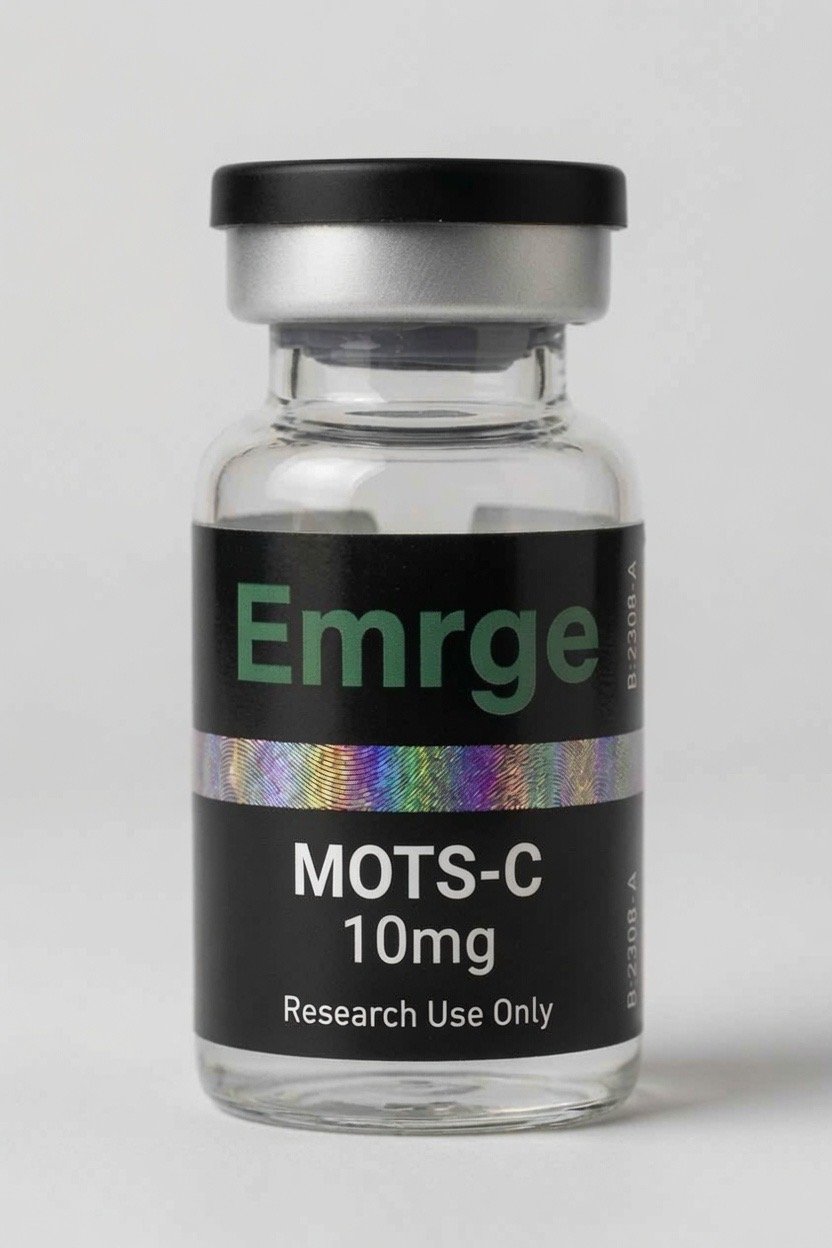
Mitochondria-derived peptide for AMPK pathway activation and mitochondrial biogenesis signaling research.
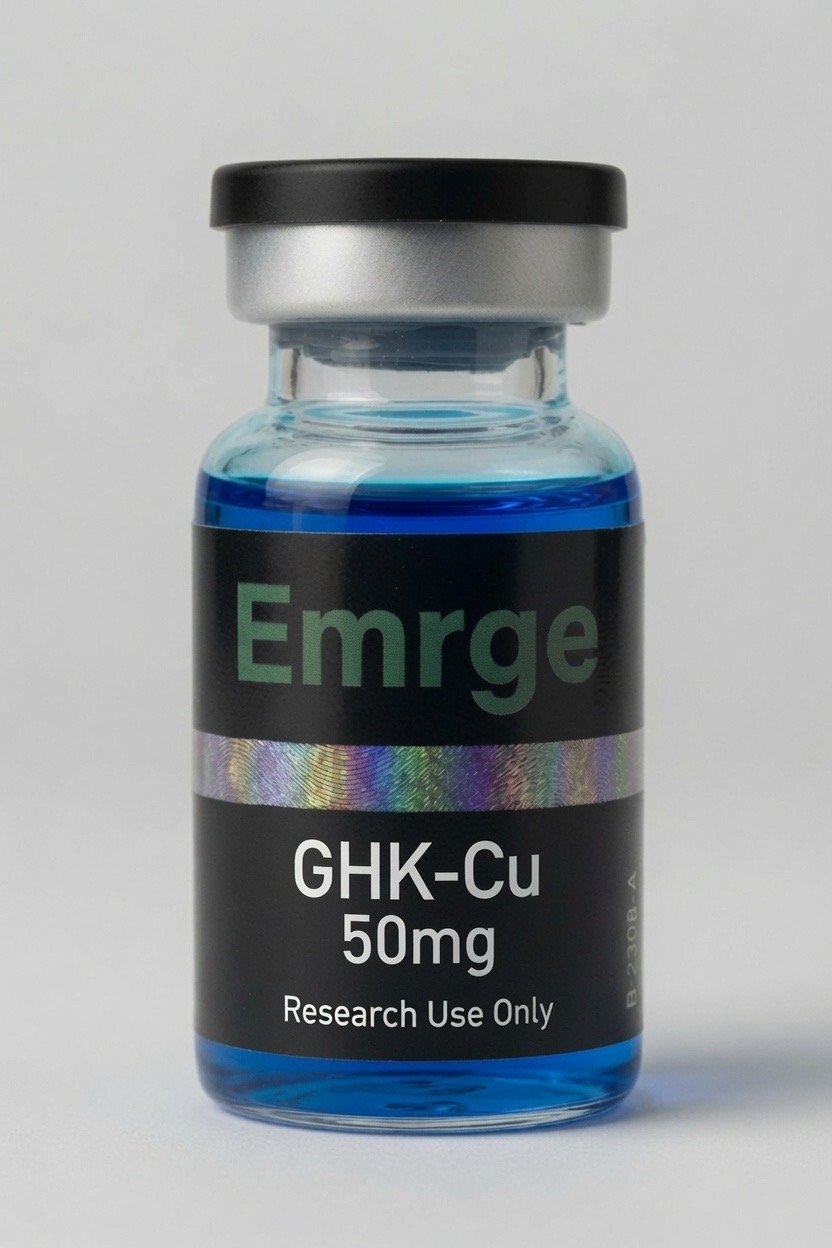
Copper(II) tripeptide complex for MMP modulation, collagen synthesis, and NF-κB inflammatory pathway studies.
MOTS-C
Mitochondria-derived peptide for AMPK pathway activation and mitochondrial biogenesis signaling research.
MOTS-c is a 16-amino acid peptide encoded within the 12S rRNA gene of mitochondrial DNA. It translocates to the nucleus under metabolic stress and activates AMPK signaling, regulating metabolic homeostasis and nuclear gene expression. Unique as a mitochondria-to-nucleus retrograde signal. Mitochondrial-nuclear communication studies, AMPK pathway activation assays, metabolic stress response research, aging and longevity pathway investigations.
View Certificate of Analysis →For in vitro research use only. Not for human or veterinary use.
GHK-Cu
Copper(II) tripeptide complex for MMP modulation, collagen synthesis, and NF-κB inflammatory pathway studies.
GHK-Cu is a naturally occurring copper-binding tripeptide. In fibroblast models, it upregulates collagen and elastin synthesis while modulating MMP-1/TIMP-1 ratios. It also suppresses NF-κB mediated inflammatory gene expression and activates TGF-β signaling pathways. Fibroblast biology assays, collagen synthesis studies, anti-inflammatory pathway screening, wound healing models, and skin biology research.
View Certificate of Analysis →For in vitro research use only. Not for human or veterinary use.
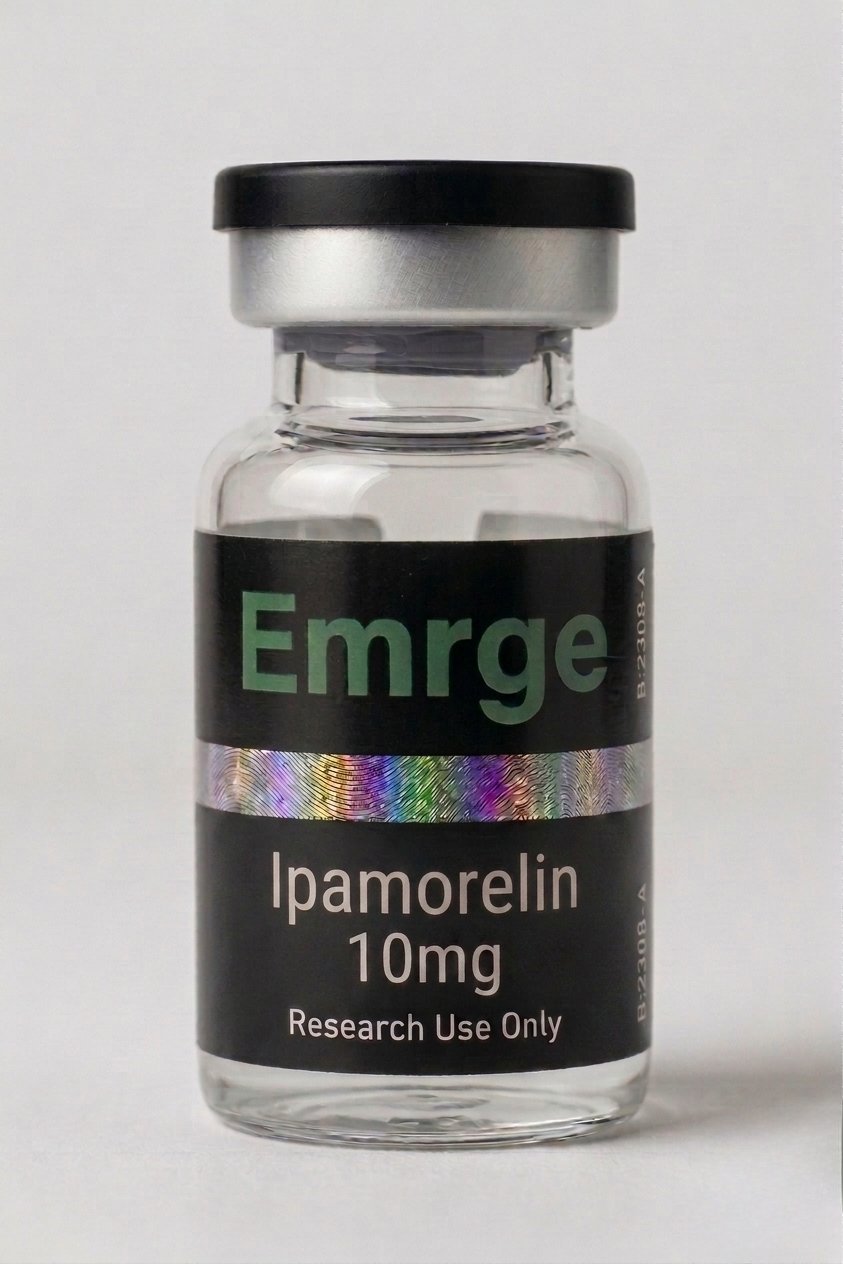
Selective GHSR-1a agonist with minimal off-target receptor activity for pituitary cell signaling studies.
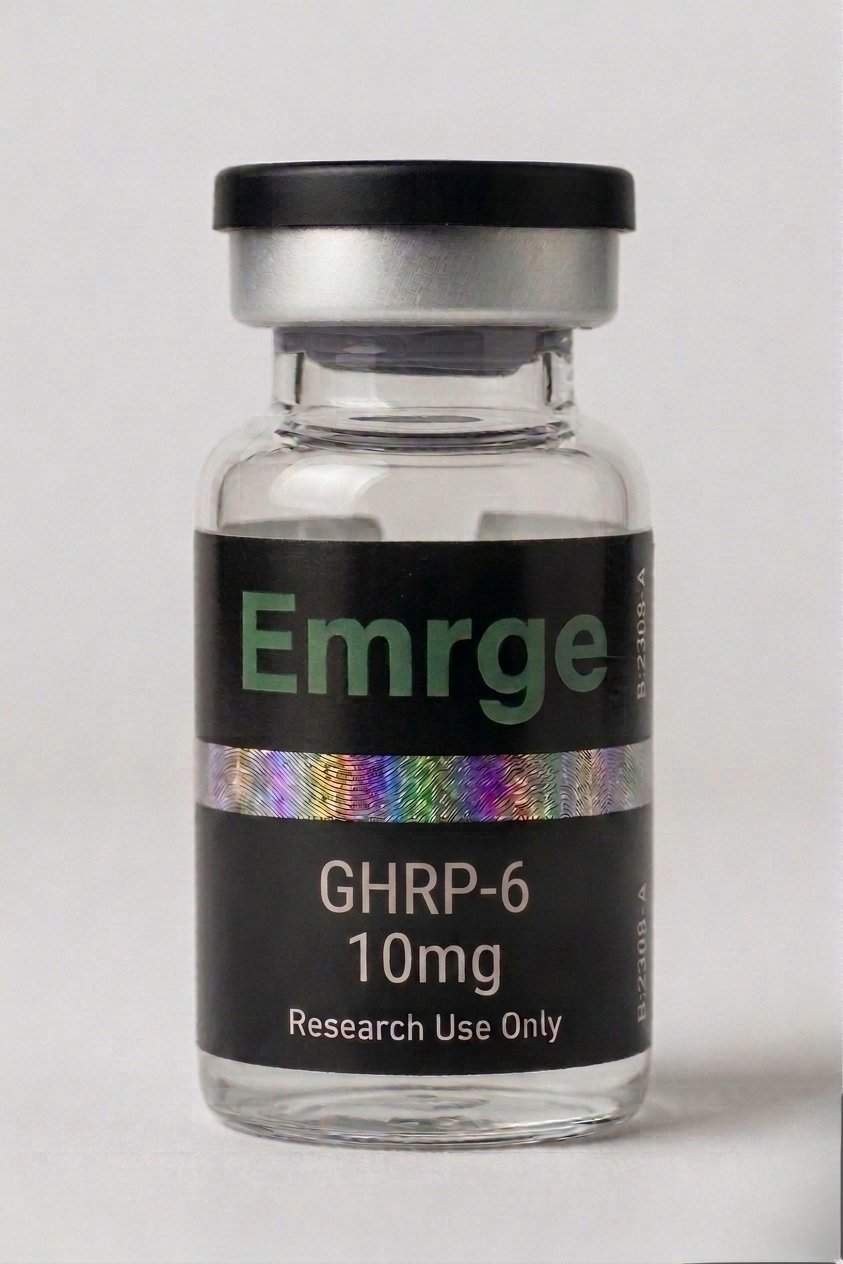
Growth hormone-releasing hexapeptide and standard reference compound for GHSR-1a binding studies.
Ipamorelin
Selective GHSR-1a agonist with minimal off-target receptor activity for pituitary cell signaling studies.
Ipamorelin is a highly selective synthetic pentapeptide ghrelin receptor (GHSR-1a) agonist. Unlike first-generation GH secretagogues, it shows minimal off-target activity at cortisol, prolactin, or ACTH receptors in cell culture. Activates phospholipase C and Ca²♠ signaling in pituitary cell models. GHSR-1a receptor binding and selectivity studies, GH secretagogue comparison panels, pituitary cell signaling research, and Ca²♠ mobilization assays.
View Certificate of Analysis →For in vitro research use only. Not for human or veterinary use.
GHRP-6
Growth hormone-releasing hexapeptide and standard reference compound for GHSR-1a binding studies.
GHRP-6 is a synthetic hexapeptide and one of the original GHSR-1a agonists. It activates both the ghrelin receptor and neuropeptide Y pathways, with broader receptor engagement than newer selective secretagogues like Ipamorelin. Commonly used as a reference compound in GHSR-1a pharmacology studies. GHSR-1a binding assays, GH secretagogue comparison research, appetite signaling pathway studies, and positive control in pituitary cell activation experiments.
View Certificate of Analysis →For in vitro research use only. Not for human or veterinary use.
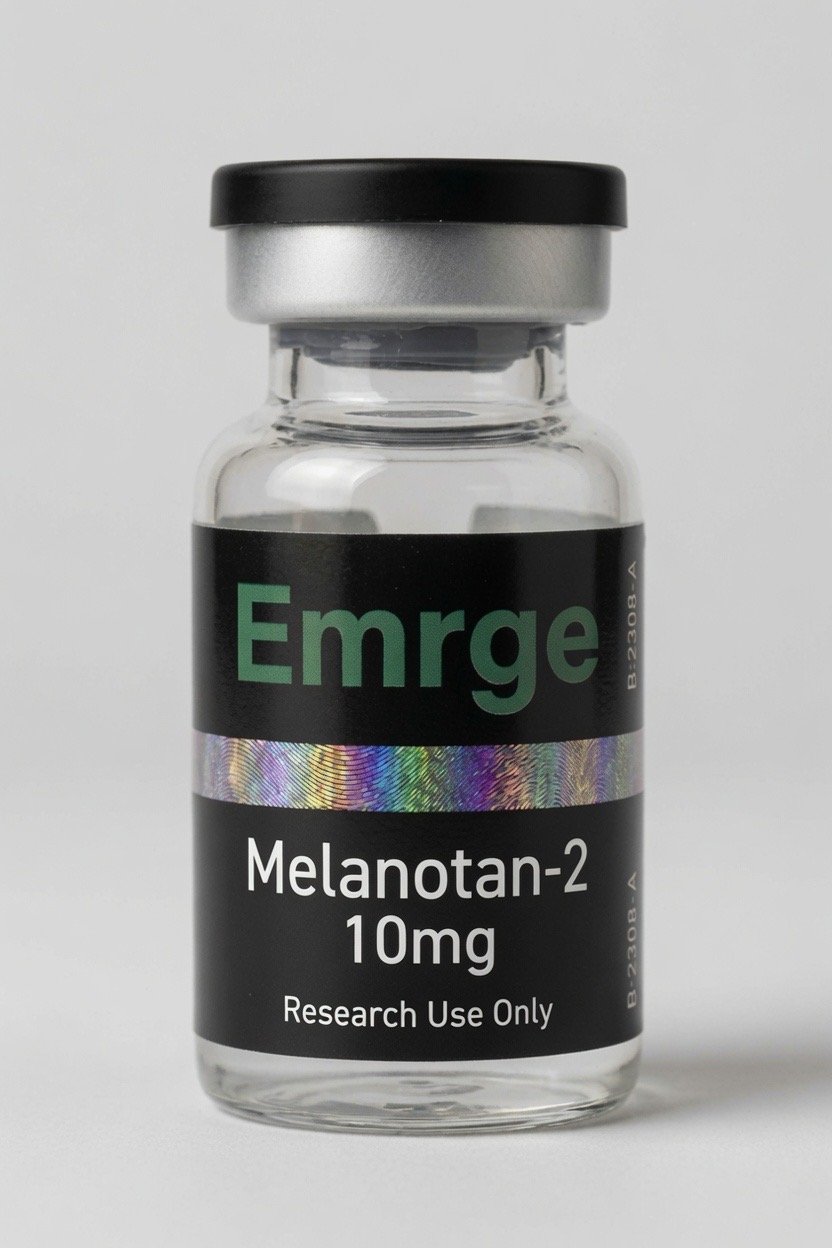
Broad-spectrum melanocortin receptor agonist (MC1R–MC5R) for pigmentation and cAMP pathway research.
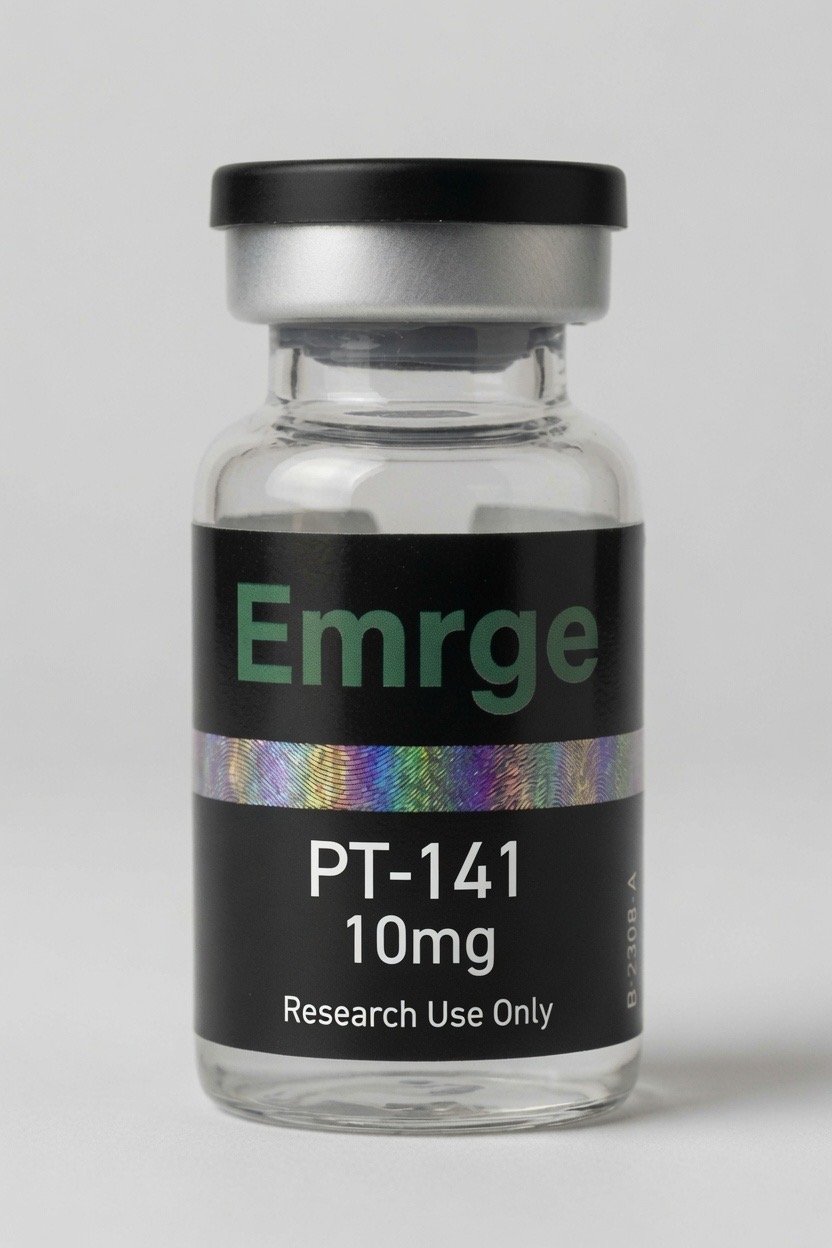
Bremelanotide with preferential MC3R/MC4R affinity for CNS melanocortin and hypothalamic signaling studies.
Melanotan-2
Broad-spectrum melanocortin receptor agonist (MC1R–MC5R) for pigmentation and cAMP pathway research.
Melanotan-2 is a cyclic lactam analog of α-MSH with high affinity for MC1R, MC3R, MC4R, and MC5R. Receptor binding activates adenylyl cyclase and elevates intracellular cAMP. In melanocyte models, MC1R activation drives eumelanin synthesis via MITF upregulation. Melanocortin receptor subtype pharmacology, cAMP second messenger assays, pigmentation pathway research, appetite and energy regulation studies via MC4R, and receptor selectivity comparisons against PT-141.
View Certificate of Analysis →For in vitro research use only. Not for human or veterinary use.
PT-141
Bremelanotide with preferential MC3R/MC4R affinity for CNS melanocortin and hypothalamic signaling studies.
PT-141 (Bremelanotide) is a cyclic heptapeptide with preferential affinity for MC3R and MC4R over MC1R. Unlike Melanotan-2, it shows minimal pigmentation pathway activity and primarily engages CNS melanocortin circuitry. Activates cAMP signaling in hypothalamic cell models. MC3R/MC4R vs MC1R selectivity studies, hypothalamic melanocortin pathway research, CNS receptor binding assays, and comparative pharmacology panels alongside Melanotan-2.
View Certificate of Analysis →For in vitro research use only. Not for human or veterinary use.